Getting a Torrance House Ready Before the Painting Crew Arrives
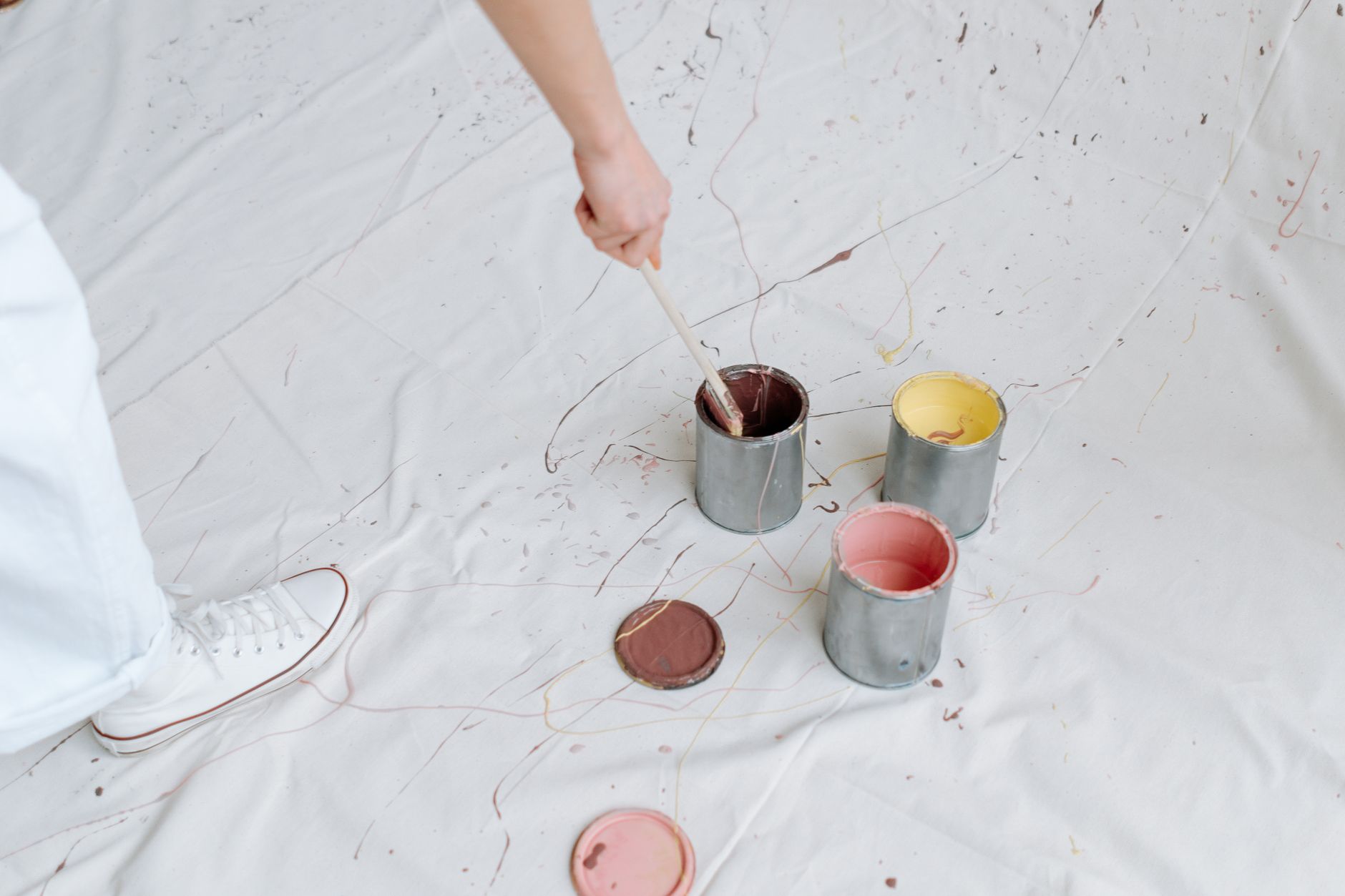
The first morning of a paint job goes better when the house is already clear. Crews in Torrance see the same pattern again and again: the work starts on time at some homes and loses an hour or two at others, and the difference is almost never the paint. It is whether the driveway is open, the pets are sorted, the gate is unlocked and the shrubs are not growing into the wall. This article answers the questions that come up most often in the days before a crew arrives, in the order they tend to matter.
What does a crew need access to on the first day?
Three things: the exterior walls, a place to stage materials, and water. The walls need to be reachable all the way around, which means gates unlocked, side yards clear of bins and bikes, and any dog kept inside or at a neighbour's for the day. The staging area is usually the garage or one corner of the driveway, where the crew stacks buckets, sets up a mixing station and parks the spray rig. Water matters for washing tools and for a pressure rinse on dusty walls, so the hose bib should work and nobody should be shutting off the main valve.
Power is the fourth item and is easy to forget. A sander, a vacuum or an airless sprayer with an electric pump needs an outlet within reach, and an exterior outlet that has been dead for two years will be discovered at seven in the morning. Testing it the night before saves the first hour.
Where should the cars go?
Out of the driveway and, ideally, off the street directly in front of the house. Overspray from a sprayer can drift farther than people expect, especially when an afternoon breeze comes up from the Pacific Ocean, and a fine mist of paint on a windshield is a nuisance to remove. Crews cover cars when they must, but a vehicle parked a block away is safer than one under a tarp. Garage doors that will be painted need to be closed and the openers unplugged or switched off, so nobody lifts a door with a wet coat on it.
What happens to the plants?
A good crew covers what it can and trims nothing without asking. The homeowner can help by cutting back anything that touches the wall: roses on the trellis, a lemon tree leaning on the stucco, ivy climbing up to the eave. A shrub pressed against a wall cannot be painted behind, and the crew will either tie it back or leave a strip unpainted. Tying back is better when the plant is flexible, and a quick trim a week ahead is better when it is not.
Potted plants and garden art should be moved at least six feet from the wall. Anything on a patio near the work, such as chairs, a grill or a bird bath, either goes inside or gets wrapped in plastic. Irrigation heads that spray the wall should be turned off for the length of the job, and the timer in the garage should be set to skip the work days.
Do the windows and doors need to be closed?
Windows on the side being sprayed should be shut and locked, since paint dust finds every gap in a loose frame. Screens often come off during the work and go back after, and a crew that removes them will usually stack them somewhere dry. Inside, closing the blinds on the work side keeps stray paint off fabric and keeps the sun from baking tape onto the glass. If a window sticks, say so ahead of time, because forcing a painted-shut window during the job can crack the paint film around the frame.
Doors are a separate issue. A front door that is being repainted comes off the hinges or stays shut with a sign on it, and the household uses another entrance for a day or two. Giving the crew a clear plan for who goes in and out where is more useful than trying to improvise on the day.
What about pets and children?
Dogs and paint buckets do not mix. A dog that steps in a tray or a roller pan tracks colour through the house, and a curious one may drink from a bucket of rinse water. Keep pets indoors or away for the day, and tell the crew about any that stay, so gates are latched behind everyone. Children are the same: the work area is a place with ladders, hoses, wet surfaces and tools with sharp edges, so it is off limits until the crew says otherwise.
Houses built before 1978 need more care around the work area. If the crew has tested the old paint and found lead, the family should stay away from the plastic-covered zone until the final wipe-down is complete, and anyone who is pregnant should stay clear of the site completely.
Is there anything to do about the weather?
Weather is the crew's call, not the homeowner's, but a few details help. Morning fog near the coast leaves walls damp until mid-morning, so a crew may start on the sunny side of the house and move around as the dew burns off. A hot, dry day in the South Bay can flash paint too quickly, and the crew may start early and finish the sunny wall by noon. Wind is the main reason a day gets shifted, because a sprayer in a stiff breeze sends paint where nobody wants it.
What should be photographed before work starts?
Walk the property with a phone and take wide shots of each elevation, plus close-ups of anything already damaged: cracked stucco, a chipped step, a dented gutter, a bent fence. These photos are not about blame. They settle questions on the third day, when nobody remembers whether a scratch on the walkway was there before. A crew that walks the house with the homeowner at the start and again at the end ends up with fewer disagreements and a cleaner handover.
Should anything on the walls be removed?
Yes. House numbers, wall-mounted lights, mailboxes, hose reels, security cameras and decorative plaques all come off before painting or get masked carefully. Removing them is faster than painting around them, and leaves a clean wall behind. The crew can take them down, but the homeowner knows where the wiring runs and whether a fixture needs an electrician. Anything attached to the wall with wires should be left to someone who is qualified to disconnect it.
Gutters and downspouts that are being painted are cleared of leaves first, since wet debris on the surface keeps paint from bonding. A broom run along the gutter edge is enough for a light clean. Heavier buildup is better handled before the job, because the crew will not start prepping until the surface is clear.
How much of the interior is affected by an exterior job?
Very little, if the crew does it right, but a few things are worth knowing. Sanding and scraping send dust into the air, and some of it will settle on window sills and sashes. Cracks in old stucco may be filled with patching compound, which has a distinct smell for a few hours. Interior doors near the work may need to stay closed for a day. None of this is hazardous in a normal repaint, and none of it lasts beyond the working day.
What does the last day look like?
The last day starts with touch-ups: a small brush, leftover paint from the same batch, and a walk around the house in good light. Masking comes off, drop cloths are folded, and the crew checks the lawn and walkways for anything that landed during the week. The homeowner then walks the exterior with the crew lead, looking at the walls at an angle, since low light shows missed spots and thin coverage better than noon sun does.
Tape lines, window frames, door edges and trim joints get the closest look. If something needs a second pass, it is easier to flag it on the spot than to call a week later. Once the walk is done and any touch-ups are finished, the work is complete, and the household gets its driveway, garden and hose back.
A clear driveway, a trimmed yard and a photographed house are the three things that make the first day run smoothly. The rest is the crew's job.