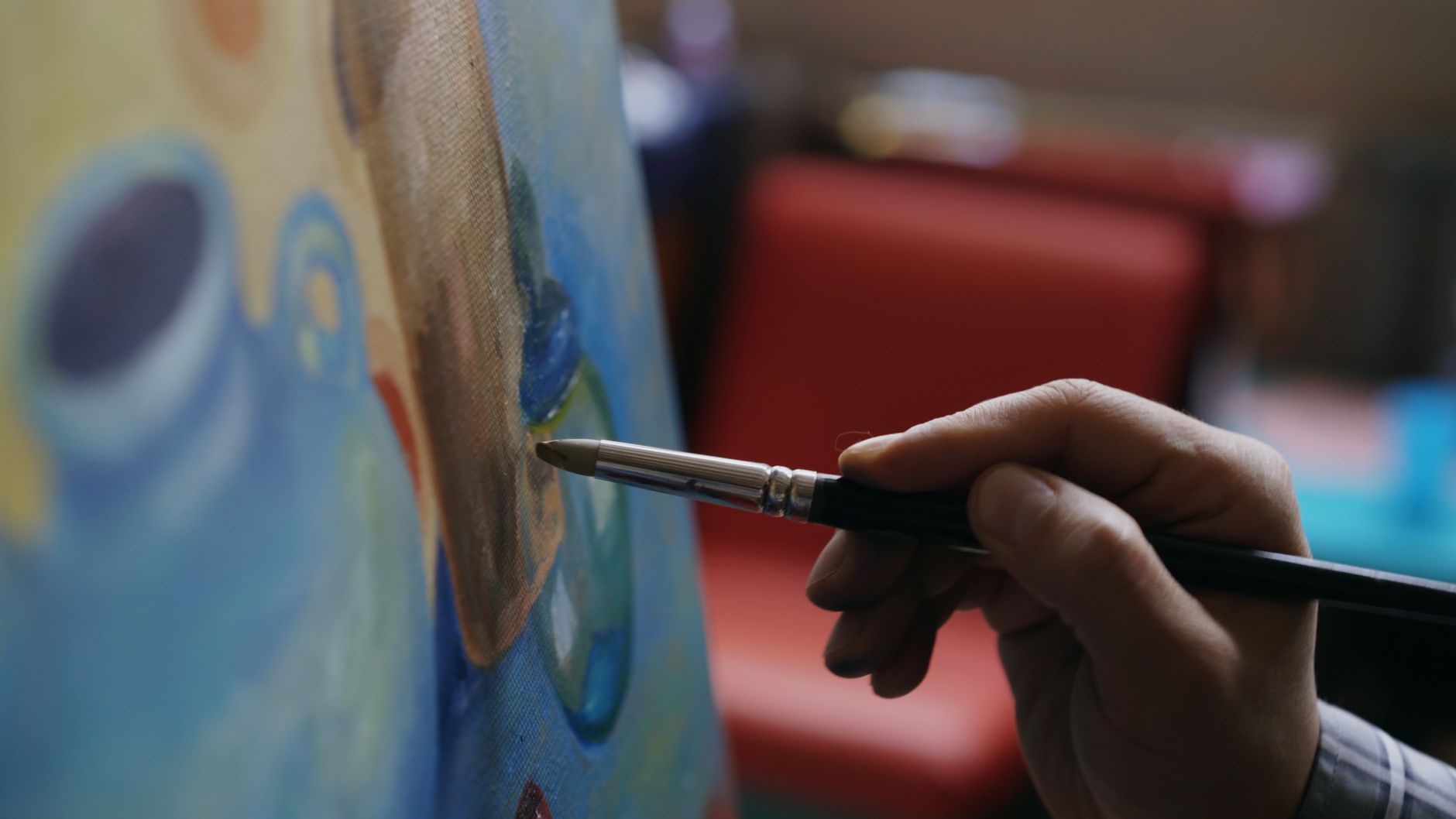
Painters in Torrance, CA
How a painting crew works day to day on houses in Torrance, CA, from spraying and masking to lead-safe prep, ladder work and cleanup.
What We Cover
- How a Painting Crew Cleans Up at the End of Each Day The daily cleanup routine: tool washing, tape removal, debris pickup and the final walkthrough on a Torrance job.
- Lead-Safe Prep on Pre-1978 Torrance Houses What a careful crew does before sanding or scraping the older paint layers on post-war Torrance homes.
- Masking and Protecting Landscaping Around a Torrance Home How crews cover shrubs, drip lines, windows and walkways before exterior painting begins.
- Spraying Versus Brushing and Rolling a Torrance House How a crew decides between a spray rig and brush and roller on stucco, siding and trim for Torrance homes.
- Wet Film and Dry Time When the Marine Layer Rolls In Why morning fog near the Pacific changes when a crew starts, coats and stops on exterior paint.
- Working From Ladders on a Two-Storey Torrance House Ladder setup, sloped yards, eave reach and pacing for painting the upper floor of a two-storey home.
Painters in Torrance, CA
A painting crew in Torrance, CA spends its day on small decisions that never show in the finished wall. Which tool goes on which surface, where the ladder stands on a sloped driveway, when the fog has lifted enough to start a coat. The houses range from post-war tract homes to two-storey stucco builds, and each asks for a slightly different order of work.
Spray, brush and roller
Stucco usually takes the spray rig, followed by a second person back-rolling to press the paint into the texture. Trim, fascia and window casings are cut in by brush. Most jobs on the South Bay side of Los Angeles County use both, and the masking before the first pass takes as long as the painting itself.
Prep comes before the paint
Scraping, patching, caulking and spot priming decide how long a finish lasts. On houses built before 1978 the crew tests the old layers first, keeps dust contained with plastic and wet methods, and cleans with a HEPA vacuum. Landscaping gets canvas, irrigation heads get capped, and walkways get covered.
Weather and timing
The marine layer off the Pacific Ocean leaves walls damp in the morning, so wet film and dry time decide the schedule. Afternoon breezes speed the drying and carry overspray, which is why crews plan the sequence of walls around the wind. Streets near El Camino College or the Del Amo Fashion Center see the same weather as the quieter blocks inland, and the crew adjusts the same way.
Guides
The pages here cover how a crew decides between spraying and rolling, lead-safe prep on older houses, protecting plants and walkways, ladder work on two-storey homes, drying times in coastal air and the end-of-day cleanup routine. The articles below look at the daily routine on Torrance jobs in more detail.
Latest Guides
Getting a Torrance House Ready Before the Painting Crew Arrives
2026-10-06
The first morning of a paint job goes better when the house is already clear. Crews in Torrance see the same pattern again and again: the work starts on time at some homes and loses an hour or two at others, and the difference is almost never the paint. It is whether the driveway is open, the pets are sorted, the gate is unlocked and the shrubs are not growing into the wall. This article answers the questions that come up most often in the days before a crew arrives, in the order they tend to matter.
What does a crew need access to on the first day?
Three things: the exterior walls, a place to stage materials, and water. The walls need to be reachable all the way around, which means gates unlocked, side yards clear of bins and bikes, and any dog kept inside or at a neighbour's for the day. The staging area is usually the garage or one corner of the driveway, where the crew stacks buckets, sets up a mixing station and parks the spray rig. Water matters for washing tools and for a pressure rinse on dusty walls, so the hose bib should work and nobody should be shutting off the main valve.
Power is the fourth item and is easy to forget. A sander, a vacuum or an airless sprayer with an electric pump needs an outlet within reach, and an exterior outlet that has been dead for two years will be discovered at seven in the morning. Testing it the night before saves the first hour.
Where should the cars go?
Out of the driveway and, ideally, off the street directly in front of the house. Overspray from a sprayer can drift farther than people expect, especially when an afternoon breeze comes up from the Pacific Ocean, and a fine mist of paint on a windshield is a nuisance to remove. Crews cover cars when they must, but a vehicle parked a block away is safer than one under a tarp. Garage doors that will be painted need to be closed and the openers unplugged or switched off, so nobody lifts a door with a wet coat on it.
What happens to the plants?
A good crew covers what it can and trims nothing without asking. The homeowner can help by cutting back anything that touches the wall: roses on the trellis, a lemon tree leaning on the stucco, ivy climbing up to the eave. A shrub pressed against a wall cannot be painted behind, and the crew will either tie it back or leave a strip unpainted. Tying back is better when the plant is flexible, and a quick trim a week ahead is better when it is not.
Potted plants and garden art should be moved at least six feet from the wall. Anything on a patio near the work, such as chairs, a grill or a bird bath, either goes inside or gets wrapped in plastic. Irrigation heads that spray the wall should be turned off for the length of the job, and the timer in the garage should be set to skip the work days.
Do the windows and doors need to be closed?
Windows on the side being sprayed should be shut and locked, since paint dust finds every gap in a loose frame. Screens often come off during the work and go back after, and a crew that removes them will usually stack them somewhere dry. Inside, closing the blinds on the work side keeps stray paint off fabric and keeps the sun from baking tape onto the glass. If a window sticks, say so ahead of time, because forcing a painted-shut window during the job can crack the paint film around the frame.
Doors are a separate issue. A front door that is being repainted comes off the hinges or stays shut with a sign on it, and the household uses another entrance for a day or two. Giving the crew a clear plan for who goes in and out where is more useful than trying to improvise on the day.
What about pets and children?
Dogs and paint buckets do not mix. A dog that steps in a tray or a roller pan tracks colour through the house, and a curious one may drink from a bucket of rinse water. Keep pets indoors or away for the day, and tell the crew about any that stay, so gates are latched behind everyone. Children are the same: the work area is a place with ladders, hoses, wet surfaces and tools with sharp edges, so it is off limits until the crew says otherwise.
Houses built before 1978 need more care around the work area. If the crew has tested the old paint and found lead, the family should stay away from the plastic-covered zone until the final wipe-down is complete, and anyone who is pregnant should stay clear of the site completely.
Is there anything to do about the weather?
Weather is the crew's call, not the homeowner's, but a few details help. Morning fog near the coast leaves walls damp until mid-morning, so a crew may start on the sunny side of the house and move around as the dew burns off. A hot, dry day in the South Bay can flash paint too quickly, and the crew may start early and finish the sunny wall by noon. Wind is the main reason a day gets shifted, because a sprayer in a stiff breeze sends paint where nobody wants it.
What should be photographed before work starts?
Walk the property with a phone and take wide shots of each elevation, plus close-ups of anything already damaged: cracked stucco, a chipped step, a dented gutter, a bent fence. These photos are not about blame. They settle questions on the third day, when nobody remembers whether a scratch on the walkway was there before. A crew that walks the house with the homeowner at the start and again at the end ends up with fewer disagreements and a cleaner handover.
Should anything on the walls be removed?
Yes. House numbers, wall-mounted lights, mailboxes, hose reels, security cameras and decorative plaques all come off before painting or get masked carefully. Removing them is faster than painting around them, and leaves a clean wall behind. The crew can take them down, but the homeowner knows where the wiring runs and whether a fixture needs an electrician. Anything attached to the wall with wires should be left to someone who is qualified to disconnect it.
Gutters and downspouts that are being painted are cleared of leaves first, since wet debris on the surface keeps paint from bonding. A broom run along the gutter edge is enough for a light clean. Heavier buildup is better handled before the job, because the crew will not start prepping until the surface is clear.
How much of the interior is affected by an exterior job?
Very little, if the crew does it right, but a few things are worth knowing. Sanding and scraping send dust into the air, and some of it will settle on window sills and sashes. Cracks in old stucco may be filled with patching compound, which has a distinct smell for a few hours. Interior doors near the work may need to stay closed for a day. None of this is hazardous in a normal repaint, and none of it lasts beyond the working day.
What does the last day look like?
The last day starts with touch-ups: a small brush, leftover paint from the same batch, and a walk around the house in good light. Masking comes off, drop cloths are folded, and the crew checks the lawn and walkways for anything that landed during the week. The homeowner then walks the exterior with the crew lead, looking at the walls at an angle, since low light shows missed spots and thin coverage better than noon sun does.
Tape lines, window frames, door edges and trim joints get the closest look. If something needs a second pass, it is easier to flag it on the spot than to call a week later. Once the walk is done and any touch-ups are finished, the work is complete, and the household gets its driveway, garden and hose back.
A clear driveway, a trimmed yard and a photographed house are the three things that make the first day run smoothly. The rest is the crew's job.
Painting a Torrance Interior in the Right Order
2026-10-06
Painting the inside of a house is a sequence problem. Every step makes a mess that the next step has to avoid, so the order decides whether the crew spends the week painting or touching up. Ceilings drip on walls, walls splash on trim, trim dust lands on floors, and a roller handle dragged across a finished edge leaves a mark that takes ten minutes to fix. Crews in Torrance work through a fixed order on almost every interior, with small adjustments for the age and layout of the house. This is how that order runs and why each step sits where it does.
Why does the sequence matter so much?
Paint falls. A roller loaded with ceiling paint throws a fine spatter in a circle around the painter, and a brush charged with trim enamel drips as it travels from the can to the casing. If the walls are finished first, ceiling work ruins them. If trim goes on before the walls, rolling the wall field smears paint onto the fresh enamel. The order that creates the least rework is top to bottom, large to small, and flat to glossy, and the crew lays out the whole job along those lines before opening a can.
What does the sequence look like on a typical room?
The table below shows the order a crew follows in one room. Real jobs shift a little depending on whether the room has a popcorn ceiling, new drywall or wallpaper, but the skeleton stays the same.
Step Work Why it sits here 1 Move furniture, cover floors, remove switch plates Nothing should be in the way when the dust starts 2 Scrape, patch holes and cracks, caulk gaps Fillers need time to dry before sanding 3 Sand patches and scuff glossy surfaces A dull surface gives the primer something to hold 4 Vacuum and wipe down Dust under the film shows as bumps 5 Spot prime patches and stains Bare filler soaks up topcoat and flashes 6 Paint the ceiling Spatter lands on bare walls and is covered next 7 Cut in and roll the walls The wall finish is the largest area and sets the colour 8 Paint doors, casings and baseboards Enamel goes on last so nothing drips on it 9 Remove masking, reinstall plates, clean up Tape pulled at the right moment gives a sharp line How much of the job is actually preparation?
A large share of the crew's hours in a typical room go to steps one through five, and none of it shows in the finished photograph. Patching a nail hole takes thirty seconds. Waiting for the compound to dry, sanding it flush and priming it takes the rest of the morning. Houses near the South Bay are often older than they look from the street, and the walls tend to carry decades of small repairs, picture hooks and layered coats of paint. A crew that rushes this stage ends up with visible patches under the topcoat, particularly in the flat sheen that most ceilings use, which hides nothing.
Where a wall has a glossy finish from an earlier owner, a light scuff sand is the minimum. Without it, new latex can peel in sheets when a sticker or tape is removed. On a house built before 1978, the crew tests the old layers before sanding anything, and uses wet methods and a HEPA vacuum when the test calls for it.
Why do ceilings come first?
Ceilings are painted with the roller on an extension pole, which means the crew is working overhead and paint is going to fall. Doing this while the walls are bare, or at least primed and not yet finished, makes the spatter harmless. The ceiling coat is also the one most affected by lap marks, since every light in the room hits it at a shallow angle. A crew keeps a wet edge across the whole span, working from one wall to the other in a continuous pass, and does not stop in the middle of a ceiling for a break.
A ceiling in a flat finish takes one coat over a clean old ceiling and two over a stained one. Water stains need a stain-blocking primer before the topcoat, or the brown ring returns within a week. The crew checks the source of the stain first. A leak that is still active, such as one from a bathroom above or a roof near the Palos Verdes side of the county where winter rain finds its way in, will ruin any paint put over it.
How are the walls cut in and rolled?
Cutting in means painting a band along the ceiling line, the corners and the trim with a brush, usually two to three inches wide. The crew then rolls the field of the wall while the cut-in band is still wet, so the two blend. Letting the brushed band dry before rolling leaves a visible frame around the wall, because brushed paint and rolled paint have different textures. On large walls, one painter cuts in while another rolls right behind, and on small rooms a single painter does both, one wall at a time.
Roller nap matters. A short nap, around three-eighths of an inch, leaves a smooth finish on drywall in good shape. A longer nap holds more paint and suits textured walls, but leaves a stipple on smooth ones. Two coats is the normal count, with the first coat left to dry fully, and a light pass of fine sandpaper between coats if the first has raised grain or dust nibs.
What goes on the trim, and when?
Trim is the last painted surface, and it gets the most durable finish in the room. A satin or semi gloss enamel resists scuffs and wipes clean, which is why baseboards and casings take it while walls take eggshell or flat. The crew sands the trim lightly, caulks the gap where it meets the wall, spot primes any bare wood and applies two coats, with an hour or two of drying time between them. Brushing works best, and a good painter lays off the last stroke in the direction of the grain so the brush marks flatten out.
Doors are laid flat on sawhorses when possible, since a horizontal surface levels better than a vertical one and avoids runs. If a door stays on its hinges, the crew paints the panels first, then the rails and stiles, then the edges, and leaves it open until the surface is tack free.
How does the sequence change in a kitchen or bathroom?
Rooms with moisture and grease need extra steps at the start. A kitchen wall near the stove gets degreased with a cleaner and rinsed before any sanding, because grease under paint stops it from bonding. A bathroom wall gets a mildew-resistant primer and a finish formulated for damp rooms, since an ordinary flat wall absorbs steam and blooms with spots. Ventilation matters during the work as well. A fan or an open window moves the drying air along, and the crew avoids painting in a closed bathroom with the shower running next door.
How long should each coat dry before the next step?
Dry time depends on the product, the temperature and the humidity, and the label is the starting point. Most water-based wall paints are dry to the touch within an hour and ready for a second coat after about four. Enamels take longer, and oil based primers take longer still. On a foggy morning near the coast, indoor humidity rises too, especially in rooms with windows open, and drying slows. A crew keeps a window cracked and a fan running in a corner, and tests the surface by touch before starting a second coat.
What does the cleanup look like inside?
Interior cleanup is slower than exterior cleanup because everything is closer to the household. Drop cloths are lifted from the edges inward so dust does not spill onto the floor. Tape is pulled while the last coat is just dry to the touch, at a low angle, so the paint edge breaks cleanly. Switch plates and outlet covers go back on, light fixtures are reconnected and tested, and furniture is returned to its place with felt pads checked for stray paint.
The last step is a walk-through with a bright light held low against the wall. Raking light shows roller marks, missed corners and thin coverage that ordinary room light hides. Anything found is touched up with a small brush and the leftover paint from the same can, and the crew checks that the sheen matches before the room is handed back.
Top to bottom, large to small and flat to glossy is the whole sequence in one line. Everything else is patience between steps.