Spraying Versus Brushing and Rolling a Torrance House

Walk the whole exterior before anyone opens a bucket and mark every surface that changes texture, because that walk decides which tool goes where, and torrance painters chemistry times treats that decision as the first step of any repaint on a house in Torrance, CA. A crew that sprays everything wastes masking time, and a crew that rolls everything wastes days.
Stucco takes the sprayer

Most stucco in the South Bay has a sand or lace texture with a thousand tiny valleys. A roller with a thick nap can fill those valleys, but it leaves lap marks where the fresh edge dries before the next pass. An airless sprayer lays a wet, even film across the whole wall in one motion, so the topcoat flashes off at the same rate from corner to corner. The crew pairs that with a second person who back-rolls each section right behind the spray gun, pressing the paint into the pores so the coverage does not sit on the peaks only.
Wood siding and trim want a brush
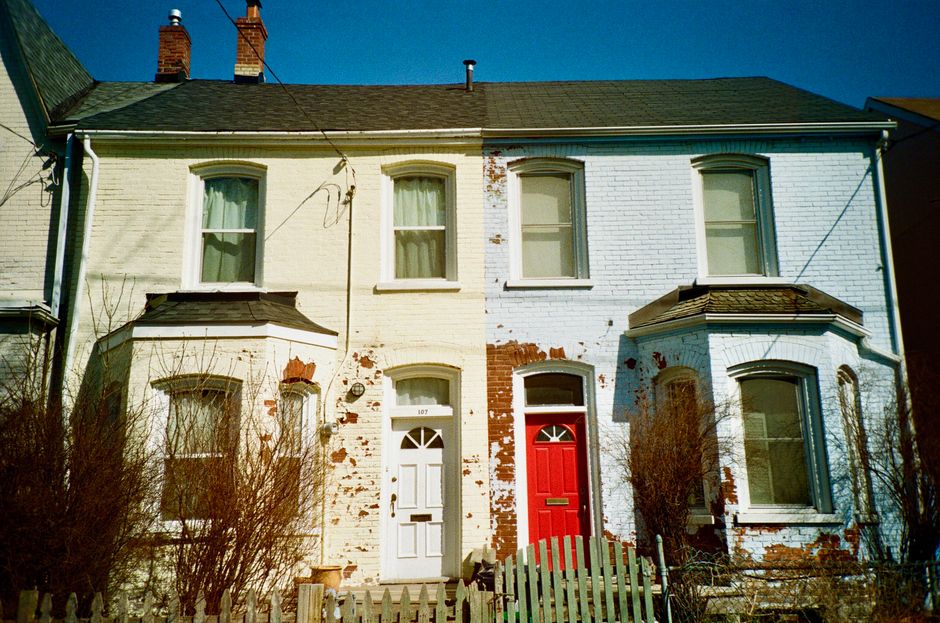
Narrow boards, fascia, window casings and garage trim are cut in by hand. A brush works the paint into joints and past caulk lines, while a sprayer would send mist across glass, hinges and the neighbour's car. Trim usually gets an oil based primer on bare wood, then two coats of acrylic enamel in a satin or semi gloss sheen, because those finishes wipe clean and shed water. Brushing is slow, but a painter who holds a wet edge leaves no marks.
What spraying demands in preparation
The spray rig is fast, and the masking is not. Every window, light fixture, gutter, hose bib and vent gets covered with paper and tape before the tip is pointed at anything. On a two-storey house that can take a morning for two people, and the crew counts it as part of the spray job, never as extra. Wind matters too. When an afternoon breeze comes in off the Pacific Ocean, overspray travels farther than expected, so the crew often sprays the leeward walls first and finishes the windward side early in the day.
Where the two methods meet
Most houses end up with both. The crew might spray the field of the stucco, cut in around the windows with a brush, and roll the garage door with a short nap roller for a smooth finish. Prep stays the same either way: scraping loose paint, patching cracks with spackle or elastomeric filler, spot priming bare areas, and a light scuff sand on glossy trim so the new coat bites.
Reading the film
Whichever tool is in the hand, the target is the same mil thickness on the wall. Sprayed paint can look thick while wet and thin once dry, so the crew counts gallons against square footage as the day goes on. A wall that swallows too much paint has a porous patch underneath.